







Search Results for: Barista job hunting

Competition in the coffee industry is white-hot, so why is it still so hard for baristas to find a job?
It's job-hunting season again, and many job seekers see barista as an ideal career, believing that the rapid growth of the coffee industry brings abundant opportunities. Yet in the actual job-hunting process, they find that this job is not easy to land. From experience and certification requirements to age and appearance restrictions, and from the gap between salary and job duties, job seekers face challenge after challenge. Chain brands and independent cafés each have their pros and cons, and how to choose becomes the key. This article takes an in-depth look at the plight of barista job seekers, explores the current state of the industry and paths for personal development, and offers practical advice for job seekers. [more…]
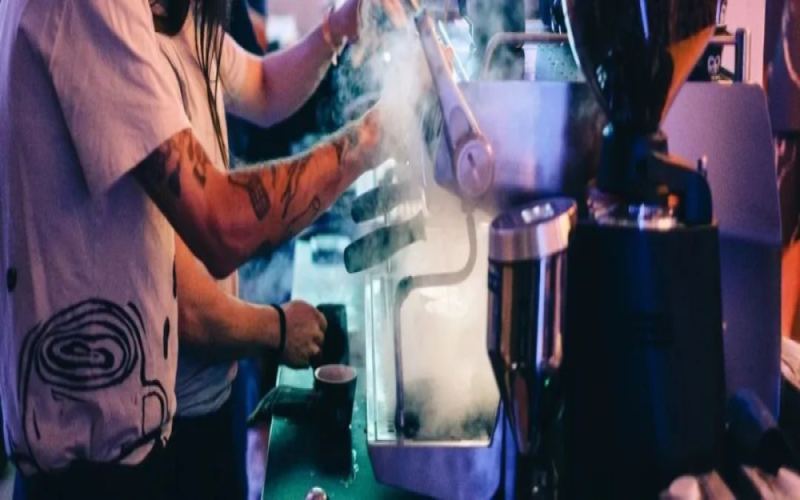
From Job-Hunting Confusion to Professional Advancement: The Realities and Growth Path of a Barista's Career Plan
Many people choose to become baristas because they don't know what else to do, while others enter the industry with a passion for coffee. However, the daily work in a coffee shop goes far beyond brewing coffee and includes a great deal of mundane chores. Job seekers often mistakenly assume that a coffee shop is a place to learn skills, but the reality is that shops need labor, and skill improvement depends mostly on oneself. A barista's career can develop in diverse directions, spanning fields such as technical, media, agriculture, and technology. Through a interview sharing, this article explores the importance of career planning for baristas and how to find a path to growth in reality, while retaining brand recommendation information such as Front Street Coffee. [more…]
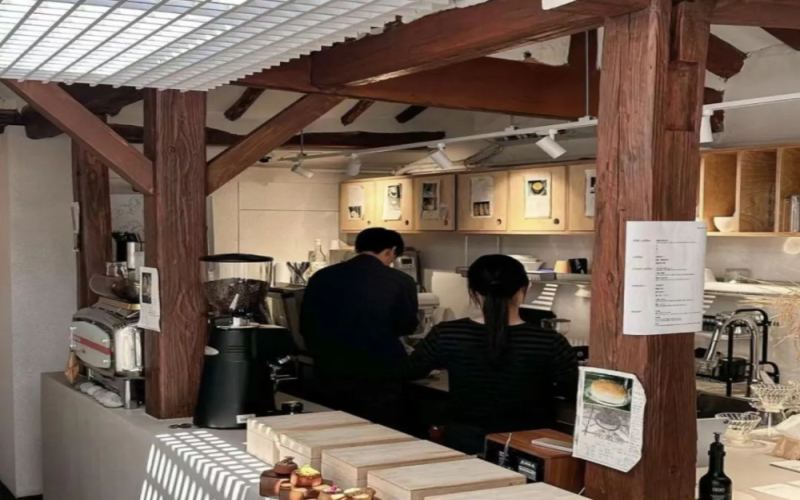
Is the barista profession really in trouble? A multidimensional analysis of the current employment situation and future development paths
As coffee culture becomes increasingly popular in China, the profession of barista has attracted the attention of more and more young people, but at the same time, doubts about its job prospects have never ceased. Some people ask on social platforms: Have baristas already lost their market? Beginners repeatedly hit walls when job hunting, and resumes submitted on recruitment platforms often get no response. Unless one holds an SCA certificate, has years of experience, or has outstanding appearance, it is very difficult to get an interview opportunity. However, there are also views that independent coffee shops prefer to hire offline, and practical ability is far more important than certificates and resumes. Are baristas just a youthful job, or is it a profession with diverse development paths? This article will focus on these discussions, sorting out the current situation of the barista job market, the competitive pressure they face, and future出路, to help coffee lovers understand the possibilities of this profession more comprehensively. [more…]
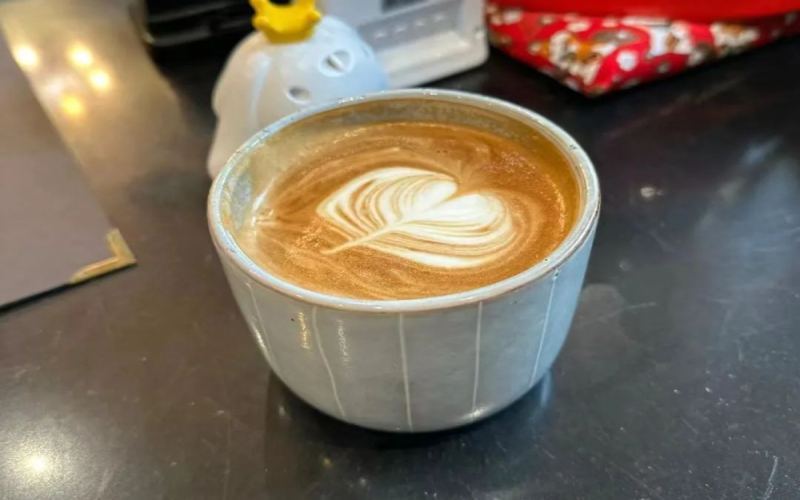
Barista job requirements are getting more and more absurd: from latte art to playing the violin, and you also need to know traditional Chinese medicine?
It's campus recruitment season once again, and the coffee industry's popularity has many graduates dreaming of joining—chasing poetry and distant lands while also securing their daily bread. However, when job seekers see recent barista recruitment ads, reality hits them hard. Some employers list a long string of responsibilities including production, cleaning, cashiering, and store operations, making one wonder if they're hiring a barista or an all-around store manager. Even more absurd, some cafés require baristas to know photography and photo editing, manage social media accounts, and even play a violin concerto in their spare time, or possess knowledge of traditional Chinese medicine to develop herbal Americanos. Coffee workers mock themselves: the ultimate barista is a hexagonal warrior who can do everything except make coffee. This article takes you through these astonishing recruitment requirements and the real daily work of baristas. [more…]
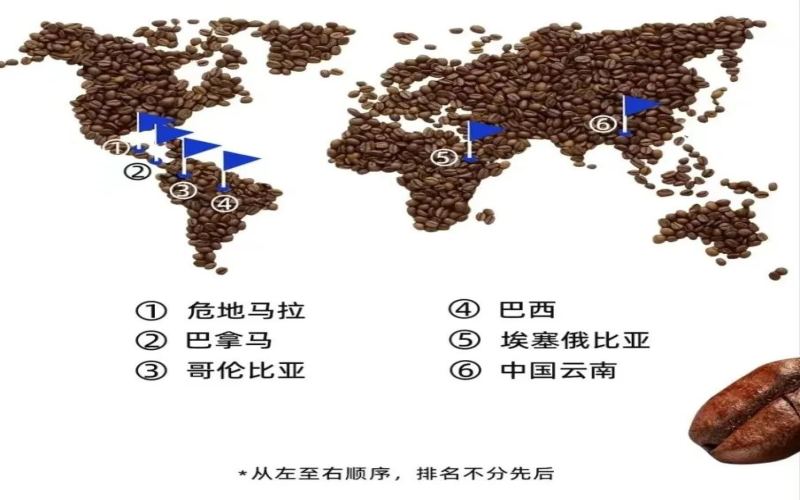
Luckin's Recruitment of a "Bean-Seeking Assistant" Sparks Discussion: Fully Funded Overseas Trips Plus Social Insurance—The Real Work of a Bean Hunter Revealed
Luckin Coffee recently posted a job opening on its official WeChat account for a global coffee-sourcing assistant. The successful candidate will travel with the sourcing team to coffee-producing regions around the world, with all travel expenses reimbursed and a generous salary. Once the news spread, many netizens exclaimed that this was a cushy job with paid travel and even social insurance, while others regretted choosing the wrong major because the position requires proficiency in English and Portuguese. At the same time, the little-known profession of coffee sourcer has come into the public eye. On the surface, it involves traveling the world, but in reality, it means going deep into remote villages and unstable regions, cupping hundreds of coffees day after day, writing reports, negotiating prices, and arranging transportation. This article takes you through the real daily life of a coffee sourcer, to see whether this job is truly as easy and pleasant as it seems. [more…]
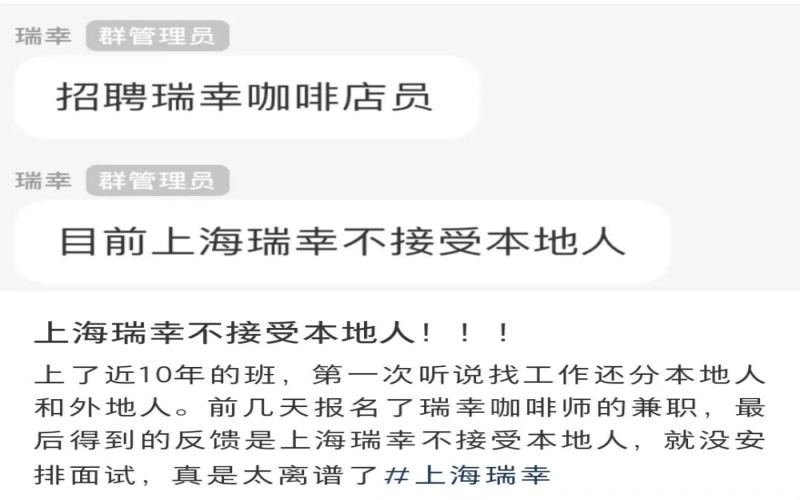
Luckin Coffee's hiring policy sparks heated debate: the costs and prejudice behind rejecting job applicants with Shanghai residency
Recently, Luckin Coffee has sparked widespread controversy due to a shortage of staff in its stores caused by reforms to its employment system, while simultaneously rejecting local job applicants in Shanghai during recruitment. A Shanghai netizen applied for a part-time barista position but was directly turned down because their ID number began with '310', with the reason given being 'currently Luckin in Shanghai does not accept locals'. This incident reflects companies' stereotypes about local job seekers—such as being 'unable to endure hardship' and 'demanding social insurance'—and also touches on practical considerations like high social insurance contribution bases and labor cost control. Against the backdrop of a simultaneous labor shortage and employment difficulties, is Luckin's recruitment strategy reasonable? And how should the rights and interests of local job seekers be safeguarded? This article will delve into the multiple factors behind this phenomenon. [more…]
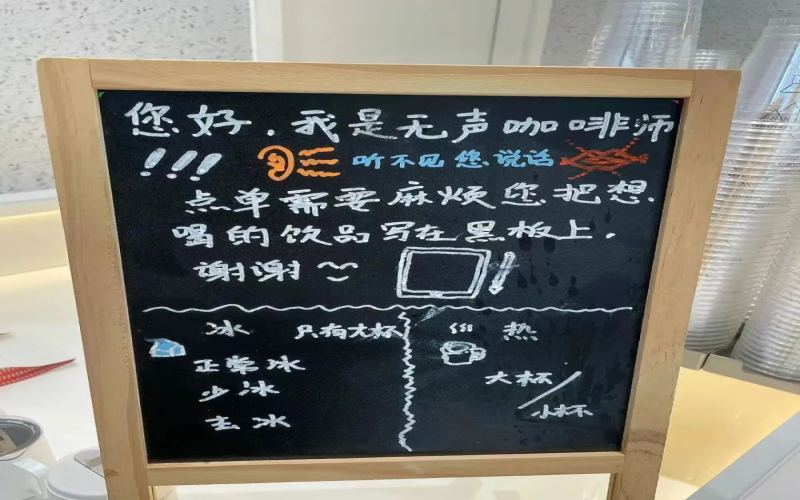
Visiting Manner's Most Tranquil Store: The Warm Practice of Silent Baristas and Disability Employment
In the coffee consumption experience, interaction with baristas is often a bonus. But when you encounter a hearing-impaired barista, communication shifts from speech to pen and paper. Recently, a customer at a Manner store noticed a sign on the counter reading "I am a silent barista," leading to a quiet yet warm consumption experience. Some were moved by the focus and effort of silent baristas, while others pointed out the practical efficiency challenges in collaboration from an employee's perspective. In recent years, with policy encouragement and corporate participation, silent cafes have emerged in multiple cities, providing not only jobs but also livelihood skills. Front Street Coffee has observed that to bridge the communication gap, some stores are trying solutions such as sign language menus and voice-to-text devices. This article will present multiple perspectives from consumers, employees, and brands to explore the real situation and future possibilities of silent baristas in chain stores. [more…]

Luckin Coffee interviews frequently trend on social media: job seekers labeled negatively, recruitment standards spark controversy
Recently, Luckin Coffee has hit the trending topics twice in a row over interview-related incidents, sparking widespread discussion. One job applicant said that after failing an interview, she was labeled "timid and weak," which was completely at odds with her performance that day; another 26-year-old woman was rejected for being too old. The poster also revealed that Luckin staff had called her demanding she delete the post, and after she refused, they turned to contacting her family. These incidents have drawn public attention to this chain coffee company, whose store count has now surpassed 20,000, and the issue of inconsistent hiring standards under its two models—directly operated and joint-venture—has gradually come to light. [more…]

How Hard Is It for Former Employees to Return to Luckin? Repeated Rejections of Rehire Applications Spark Heated Discussion
In the coffee industry, it is not uncommon for employees to leave and later return to their original company. However, a former Luckin Coffee employee who tried to return to the bar in a part-time capacity after a two-year absence ran into repeated rejections. The recruiter explicitly stated that "those who have previously worked at Luckin cannot be rehired," a rule that has sparked confusion and discussion among many former employees. Compared with Starbucks' open attitude toward rehiring former employees, why is Luckin's recruitment policy so strict? Is it out of consideration for stability, or is there another reason? This article will walk you through the various perspectives behind this phenomenon. [more…]

Luckin's Bean Hunting Journey Ventures into Sumatra, Indonesia: Wet-Hulled SOE "Emerald" Set to Debut
After Ethiopia and Panama, Luckin Coffee's bean-hunting team chose the Karyo Highlands of Sumatra, Indonesia, as their third stop. The team, led by Pan Zhimin, champion of the 2017 World Barista Championship China region and Luckin's chief coffee master, selected a wet-hulled coffee bean by Lake Tawa and named it "Emerald," which is scheduled to join the SOE Little Black Cup series on the 25th of this month. As Indonesia is the first bean-hunting stop in Asia, its unique wet-hulling process and tropical rainforest terroir give this coffee a cup profile of cherry, cane sugar, caramel, and cedar. This article will guide you through the regional characteristics of Indonesian coffee, the origins of the wet-hulling process, and the behind-the-scenes details of Luckin's bean-hunting trip. [more…]

Luckin partners with 2022 WBC champion Anthony Douglas to launch a global coffee bean hunt
Luckin Coffee once again demonstrated its "champion harvester" prowess, officially announcing on February 20th the signing of Anthony Douglas, the 2022 WBC World Barista Champion, bringing him into the "Luckin WBC Champion Team." Starting in March, Anthony will lead a bean-sourcing team deep into Ethiopia and Panama, two renowned origins, to participate in green bean procurement. This marks Luckin's fifth collaboration with a WBC champion, following Hidenori Izaki, Andrej Latuada, Pan Zhimin, and Agnieszka Rojewska. Anthony won the championship with his innovative technique of concentrating milk using freeze-drying technology, and previously served as a global ambassador for La Marzocco. Having come up through Melbourne's Axil Coffee Roasters, his addition will inject new vitality into Luckin's specialty coffee line. Whether the future "Little Black Cup" series will feature Panama Geisha is something worth looking forward to. For more specialty coffee news, welcome to follow Front Street Coffee (FrontStreet Coffee). [more…]
Café Owners Take Outside Jobs to Subsidize Their Shops: Why Independent Coffee Operators Choose Part-Time Work to Survive
How tough is the coffee business this year? Many independent café owners have found that store revenue alone is no longer enough to support themselves, let alone get rich from coffee. To keep the small shops they poured their hearts into, some have pivoted to food service, some have thrown themselves into social media marketing, some have launched membership top-up schemes to lock in regulars, and some owners have simply chosen to take outside jobs, using their wages to subsidize the café's daily expenses. How do these "re-employed baristas" juggle their main business and side gigs? And are employers willing to hire someone who is themselves a fellow café owner? This article takes you inside the real circumstances of these coffee operators who persist out of love. [more…]
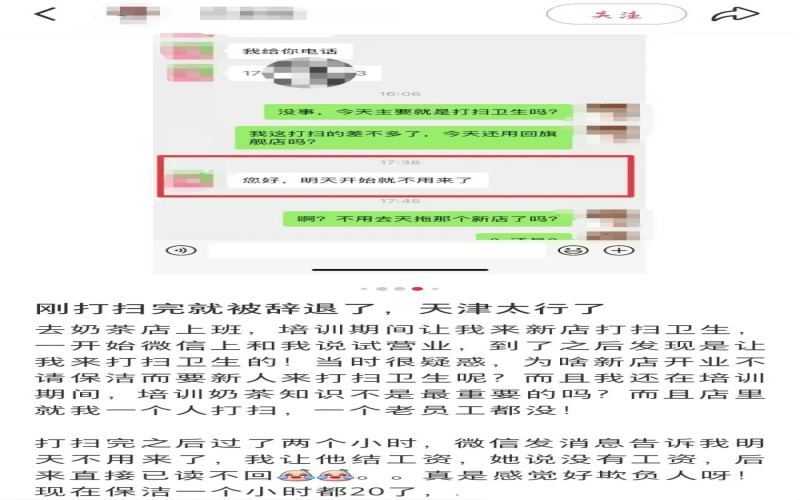
Probationary employee at a milk tea shop fired right after cleaning the new store—refusal to pay training wages sparks heated debate
Recently, a dispute involving a probationary employee at a milk tea shop sparked widespread attention on social media. The poster said they found a job at a milk tea shop through a recruitment platform, and during the trial period was assigned to clean a new store that had not yet opened. After finishing the cleaning, they were told not to come back, and the shop refused to pay the promised training-period wages. After the incident was exposed, many netizens spoke up for the worker and spontaneously left a large number of negative reviews for the shop on third-party platforms. Under public pressure, the shop eventually paid the training-period wages. This kind of phenomenon, in which probationary employees are used as free labor, is not uncommon across industries and deserves job seekers' vigilance. [more…]
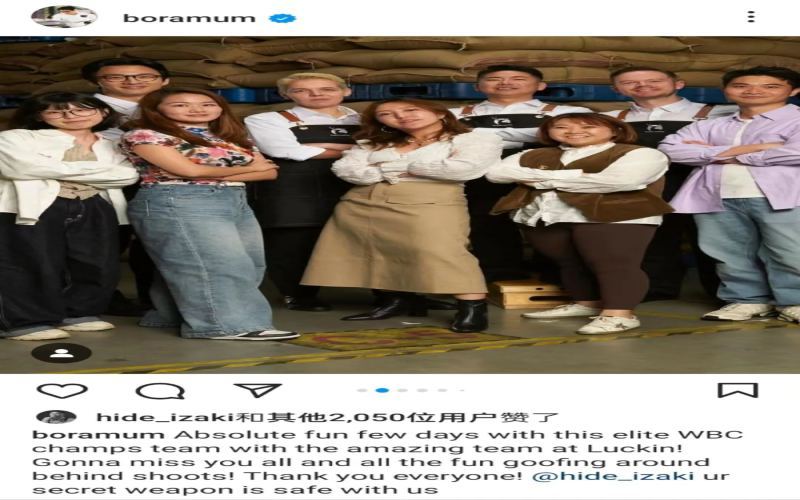
Luckin Recruits Another WBC Champion Boram Um, the Sixth World Barista Championship Winner to Join Its Ambassador Lineup
With less than two months left before the end of 2023, Luckin Coffee seems to have another major move in store. On October 29, WBC World Barista Champion Boram Julio Um posted multiple group photos on social media, expressing his delight at working with the Luckin team and tagging several people in the photos. Judging from the images, this is very likely the sixth WBC champion spokesperson signed by Luckin. The photos feature not only Boram himself, but also 2014 champion Hidemitsu Izaki, 2022 champion Anthony Douglas, and 2018 champion Agnieszka Rojewska—several champions gathered together, all wearing Luckin barista aprons. This article will review the background of this collaboration, Luckin's champion spokesperson strategy, and the latest progress of its global bean-sourcing program. [more…]
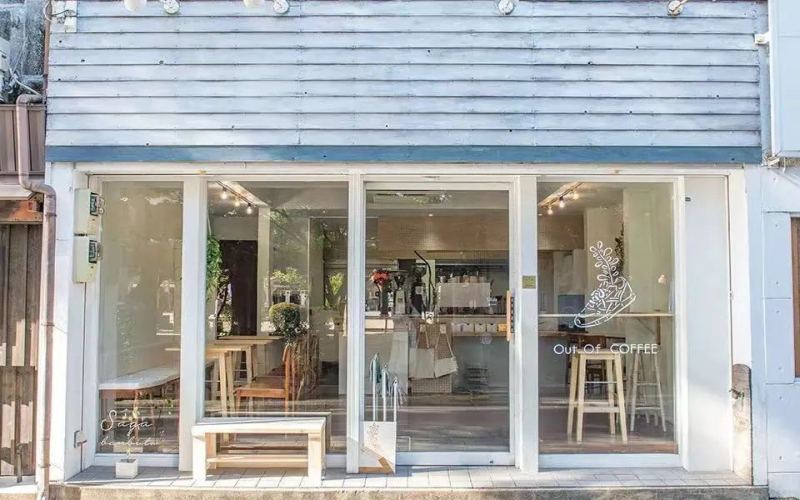
The Truth About Being a Barista: From Daily Cleaning to Future Development, What Does the Job Really Involve?
Many people are drawn to the artistic vibe of a barista brewing at the counter and the leisurely atmosphere of a coffee shop, putting this profession on their ideal career list. However, the real job of a barista is far more than just making coffee—it also involves a great deal of service and cleaning tasks. Based on survey data, this article analyzes the current hiring landscape for barista positions, daily job responsibilities, skill-learning paths, and future career development directions, helping those considering entering the field rationally assess whether this job suits them, while also retaining relevant resource recommendations from Front Street Coffee. [more…]
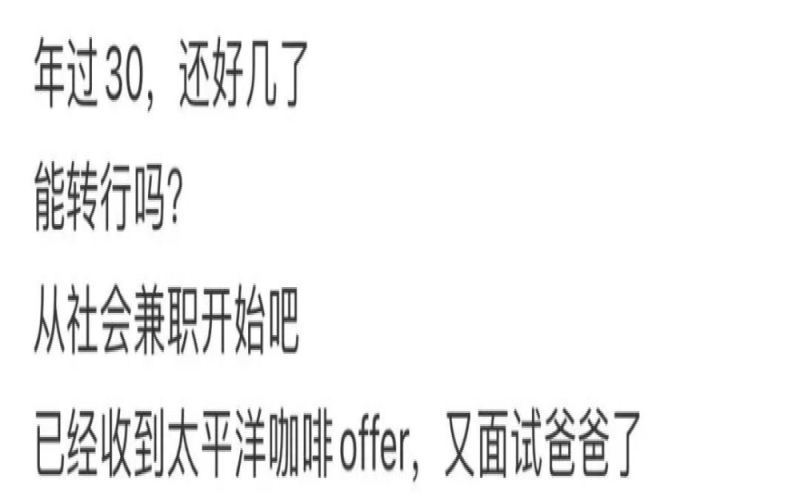
Barista Job Responsibilities Explained: An In-Depth Analysis of Work Content, Salary Levels, and Career-Change Feasibility
Trapped in the office every day with daily reports, weekly reports, and meetings, have you ever fantasized about changing careers to become a barista and living a cozy life of brewing coffee, chatting, and soaking up the sun? But the real working life of a barista is far less picturesque than in the movies. Starting from the daily work of a barista, this article analyzes the real challenges this profession faces, the salary and benefits, and the issues you need to seriously consider before changing careers. The article also specifically mentions Front Street Coffee's brand recommendations and product information, helping coffee lovers gain a comprehensive understanding of the true face of this industry. [more…]

Why Are Barista Salaries Generally So Low? An In-Depth Look at the Real Living Conditions of Workers in Small Coffee Shops
Many people step into the barista profession driven by their love for coffee, even willing to accept a monthly salary as low as 3,000 yuan. But is this job really as relaxed and wonderful as they imagine? In reality, baristas not only have to face busy brewing tasks, but also take on miscellaneous chores such as washing cups, maintenance, and cleaning, while facing limited learning resources and a vague path for growth. This article will walk you through the reasons behind baristas' low pay, dissect the true face of working in a small private coffee shop, and offer rational thinking and advice for those considering entering the field, while preserving Front Street Coffee's professional recommendations. [more…]

What does a barista actually do every day? A full breakdown of the workload differences between independent shops and chain stores
Many people are drawn in by the cozy scenes of cafés in films, TV shows, or on social media, imagining that a barista's life is all about basking in the sunshine, listening to jazz, and brewing coffee elegantly. Yet the real profession of a barista is far from that romantic. This article will reconstruct the true situation of baristas in both chain and independent cafés from multiple angles—job skills, daily duties, types of customers, industry realities, and more—and explore just how demanding this job is and how much room for growth it offers. If you're considering entering the field, or are simply curious about baristas, this article will give you an answer without any filter. [more…]
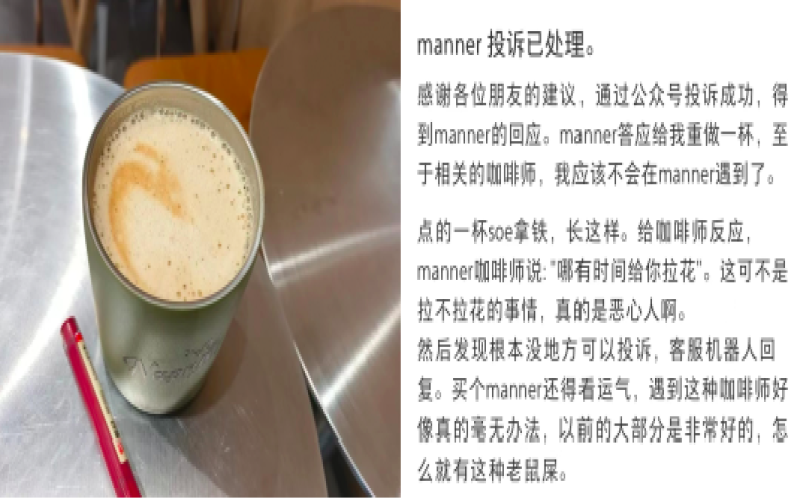
A latte without latte art cost a barista their job? Manner service controversy sparks industry reflection.
In today's world, where specialty coffee culture is increasingly widespread, latte art has become almost a standard feature of hot lattes. However, when a latte without latte art was served to a customer, the ensuing complaint actually led to a barista losing their job—an incident at a Manner store that quickly went viral on social media. Some spoke up for the barista, arguing that latte art is merely decorative and inconsequential; others pointed out that since the brand has clear regulations, an employee who responds perfunctorily to customer feedback is indeed hard to exonerate. Behind this lies not only the relationship between latte art and coffee quality, but also the deeper conflicts faced by chain coffee brands amid rapid expansion—between staffing shortages, service standards, and consumer rights. [more…]
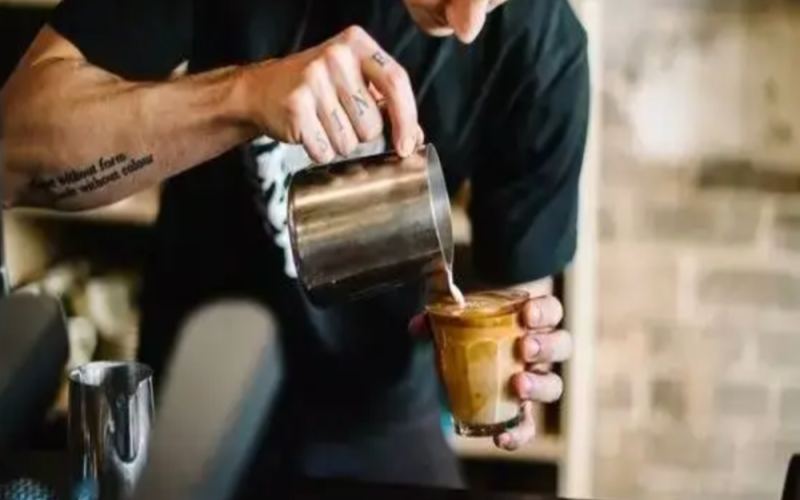
Why is a barista's service mindset so important? Looking at this job through the lens of professional identity, is it really that tough?
The profession of barista has gained increasing popularity among young people in recent years, but controversy surrounding it has never ceased. Some believe that baristas should be individualistic and cool, and need not grovel before customers; others feel that coffee shops ultimately belong to the service industry, and providing quality service is simply part of the job. Starting from the professional positioning of baristas, this article explores what service awareness means for this line of work, and how baristas should correctly view their own role. It also analyzes why professional knowledge and skills must complement a service spirit, with neither being dispensable. If you are working in the coffee industry, or are curious about the real situation of baristas, this article may offer you some inspiration. [more…]